Get Flowerbed Edging Installation
Flowerbed edging installation services help property owners define garden borders, prevent soil erosion, and enhance landscape appearance with the help of experienced local contractors.
Flowerbed edging installation can be an effective way to define garden spaces, reduce weed growth, and enhance the overall appearance of a property. Property owners in the area often consider this work to improve curb appeal or create a more organized landscape. Whether planning a new garden layout or refreshing existing borders, exploring local contractors who specialize in flowerbed edging ensures options are tailored to specific property needs.
For those interested in this type of project, comparing services offered by nearby contractors can provide valuable insights into different approaches and techniques. Connecting with experienced local service providers helps property owners make informed decisions about how best to achieve a polished and functional landscape design. Keep reading to discover more about the options available for flowerbed edging installation in the local area.
- Flowerbed Edging Installation - when creating a defined border around garden beds to enhance landscape appearance.
- Garden Bed Reshaping - for redesigning or updating existing flowerbed boundaries to improve yard layout.
- Landscape Renovation - during major yard upgrades that include updating flowerbed borders for a fresh look.
- New Garden Bed Creation - when establishing new planting areas that require precise edging to contain soil and mulch.
- Erosion Control Projects - to stabilize soil and prevent washouts around flowerbeds on sloped or vulnerable areas.
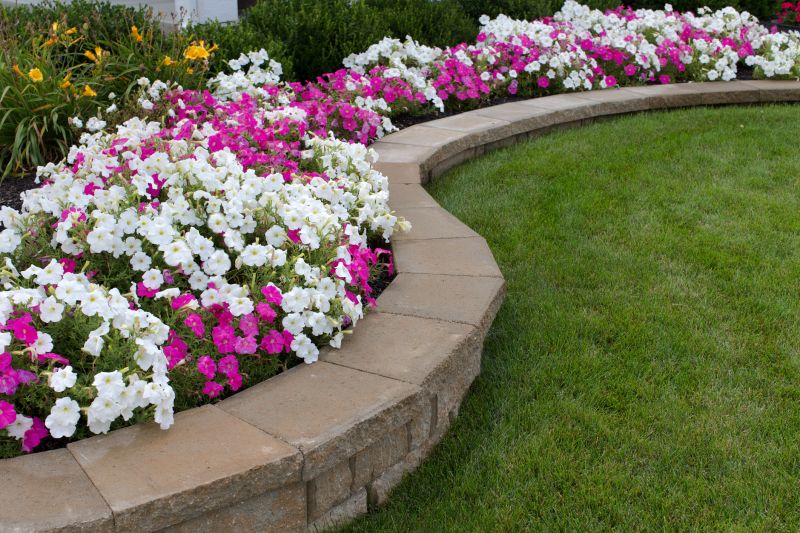
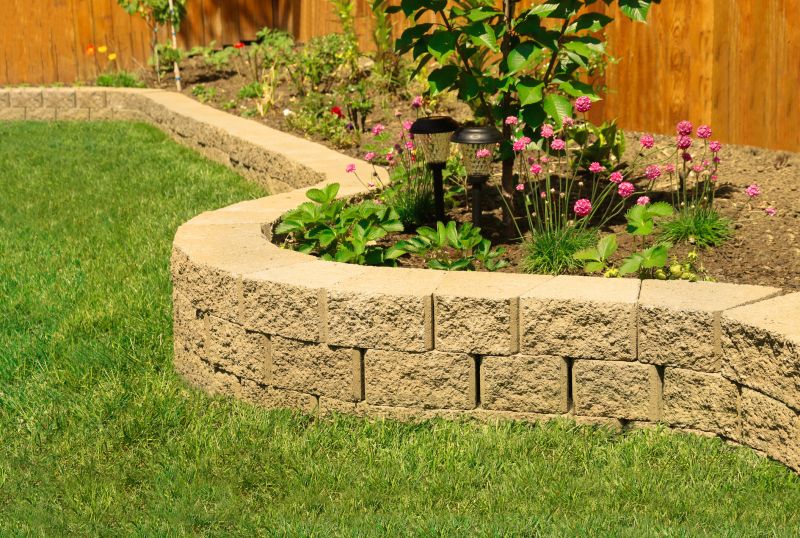
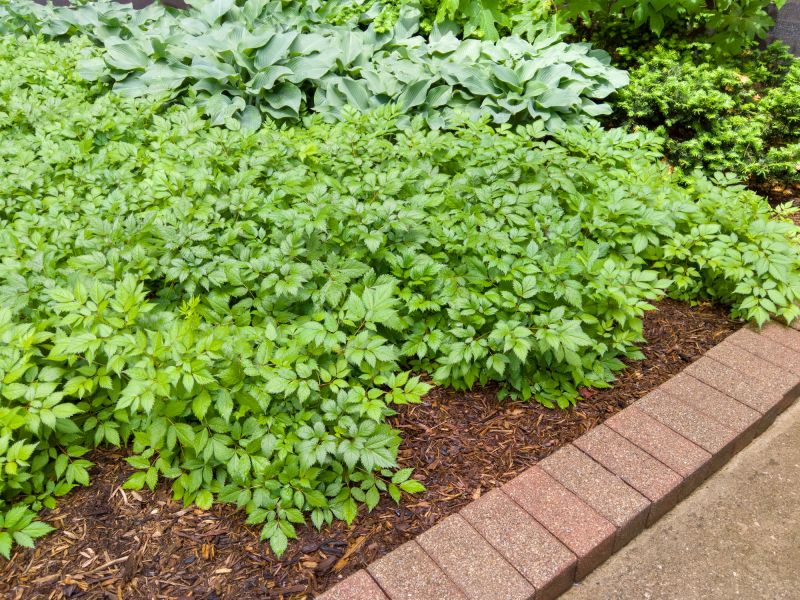
Flowerbed edging installation involves placing a defined border around garden beds to create a clean, organized appearance. This service typically includes selecting the appropriate edging material, preparing the ground, and installing the border to ensure it stays in place over time. The goal is to separate flowerbeds from lawns or other landscaping areas, helping to define space and prevent plants from spreading into unwanted areas. Professional contractors can tailor the edging style and materials to match the property's aesthetic, whether that’s a natural stone look, a sleek plastic barrier, or a classic metal edge.
This service helps address common landscaping problems such as soil erosion, grass encroachment, and difficulty maintaining clean lines between garden beds and lawns. Without proper edging, mulch or soil can spill over into grassed areas, making the landscape look untidy and increasing maintenance efforts. Edging also helps keep weeds at bay by creating a physical barrier that makes it easier to control unwanted plants. For homeowners seeking to improve curb appeal or reduce ongoing garden maintenance, flowerbed edging installation offers a practical solution to keep landscaping neat and well-defined.
Properties that often benefit from flowerbed edging include residential homes, especially those with front yards or well-maintained gardens. Larger properties, such as estates or properties with extensive landscaping, may also find edging useful for creating organized, visually appealing outdoor spaces. Commercial properties, community gardens, and public parks can also utilize edging to delineate planting areas and maintain a tidy appearance. In general, any property where garden beds and lawn areas meet can be enhanced with professionally installed edging to improve both function and aesthetics.
Homeowners who notice their flowerbeds becoming overgrown or difficult to manage might consider this service to improve garden organization. Similarly, those looking to enhance curb appeal or prevent soil and mulch from spilling into lawn areas may find flowerbed edging installation to be a valuable upgrade. Whether starting a new garden or updating an existing landscape, connecting with local contractors can help find the right edging solution to suit specific property needs. These professionals can provide guidance on suitable materials and installation techniques to ensure the landscape remains attractive and easy to maintain.
The overview below groups typical Flowerbed Edging Installation projects into broad ranges so you can see how smaller, mid-sized, and larger jobs often compare in your area.
In many markets, a large share of routine jobs stays in the lower and middle ranges, while only a smaller percentage of projects moves into the highest bands when the work is more complex or site conditions are harder than average.
Smaller Projects - For routine flowerbed edging, local contractors typically charge between $250 and $600. Many standard installations fall within this range, reflecting straightforward work on modest garden beds.
Medium-Sized Jobs - Larger or more detailed edging projects often cost between $600 and $1,500. These projects may involve more extensive landscaping or customized edging materials, which are less common but still typical.
Complex Installations - Highly intricate or large-scale flowerbed edging can range from $1,500 to $3,500. Fewer projects reach this tier, usually due to complex design elements or extensive site preparation.
Full Replacement or Custom Work - Larger, more complex projects can cost $3,500 and up, with some high-end or specialty installations exceeding $5,000. These are less common and typically involve significant customization or extensive site modifications.
Actual totals will depend on details like access to the work area, the scope of the project, and the materials selected, so use these as general starting points rather than exact figures.
Paver Pathway Installation - involves similar planning and use of edging tools to create defined borders for walkways and garden features.
Garden Wall Construction - requires precise edging and foundational work, aligning closely with the skills used in flowerbed edging projects.
Landscape Design and Planning - includes planning the layout of garden beds and borders, often involving edging to define different areas.
Retaining Wall Installation - involves detailed groundwork and edging techniques to ensure stability and proper alignment.
Driveway Edging Services - focuses on creating clean, durable borders that complement existing paving and landscaping features.
Garden Bed Mulching - complements edging work by helping to define garden areas and improve overall landscape aesthetics.
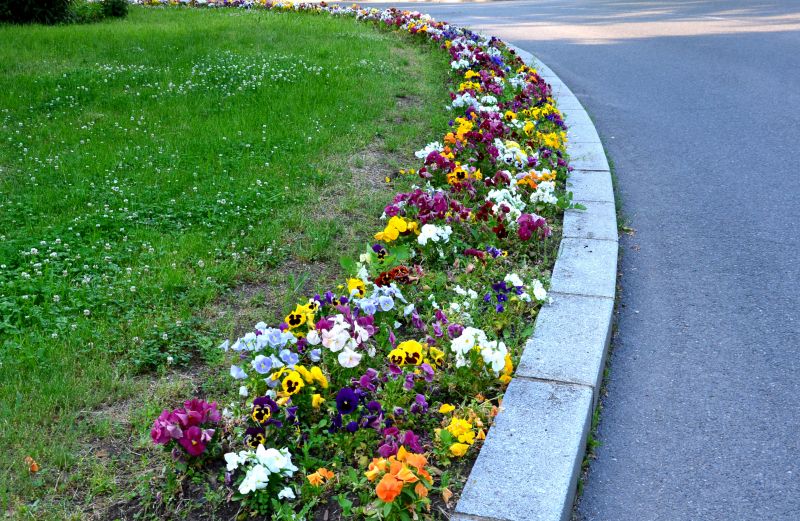
When comparing local contractors for flowerbed edging installation, it’s important to consider their experience with similar projects. A service provider who has successfully completed flowerbed edging for homes comparable in size and style can offer insights into what to expect and demonstrate familiarity with common challenges. Reviewing their portfolio or asking about past work can help gauge their expertise and ensure they are well-versed in the specific requirements of landscape edging, from choosing the right materials to handling different soil conditions.
Clear, written expectations are essential to ensure both parties are aligned on the scope of work. When evaluating local pros, inquire about their process for outlining project details, including the materials they plan to use, the estimated scope of work, and any specific considerations for your property. A professional who provides detailed, written descriptions of the project can help prevent misunderstandings and serve as a reference throughout the installation process, fostering transparency and confidence in the contractor’s approach.
Reputable references and effective communication are key indicators of a reliable service provider. Asking for references from previous clients who had similar flowerbed edging projects can provide valuable insights into the contractor’s workmanship, professionalism, and punctuality. Additionally, choosing a local pro who responds promptly and clearly to questions demonstrates their commitment to good communication. Since the site introduces homeowners to local options rather than performing the work itself, taking the time to gather this information ensures a smoother process when connecting with the right service provider for the job.
Property owners use Flowerbed Edging Installation services for practical projects around their homes and businesses. This guide focuses on everyday jobs and straightforward project options.
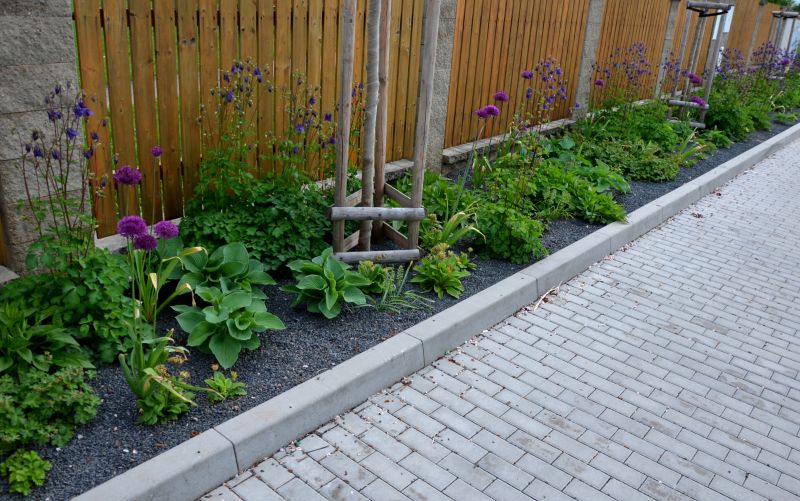
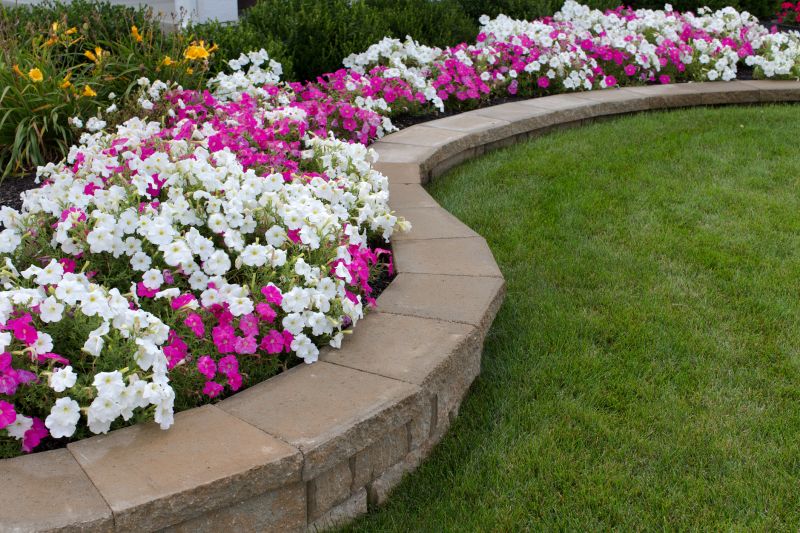
Flowerbed edging installation is a common project for property owners looking to define garden spaces and improve curb appeal. Homeowners might seek these services to create a neat separation between lawns and flowerbeds, preventing soil and mulch from spreading into grass areas. Additionally, many choose to enhance the visual appeal of their landscape by adding clean, well-defined borders that complement their overall outdoor design.
Local contractors who specialize in flowerbed edging can assist with a variety of needs, whether it's updating existing borders or installing new ones during landscape renovations. Property owners often look for experienced service providers to ensure the edging is durable and visually appealing, helping to maintain a tidy and attractive yard. Connecting with these local experts can make it easier to find the right solution for maintaining a well-organized outdoor space.
What types of materials are used for flowerbed edging? Local contractors typically offer a variety of materials such as brick, stone, plastic, metal, or wood to suit different garden styles and preferences.
Can flowerbed edging be installed around existing plants? Yes, professional service providers can install edging around existing plants without damaging them, ensuring a clean and defined border.
Is flowerbed edging suitable for different garden sizes? Edging options are available for gardens of all sizes, from small flowerbeds to large landscape borders, by local service providers experienced in various project scales.
What are the benefits of installing flowerbed edging? Installing edging helps define garden spaces, prevent soil erosion, and keep mulch and soil in place, contributing to a tidy and well-maintained appearance.
How do local contractors prepare for flowerbed edging installation? They typically assess the garden layout, select appropriate materials, and plan the installation process to ensure a durable and attractive border.
Define garden boundaries - Use edging to clearly separate flowerbeds from lawns or walkways for a tidy appearance.
Prevent soil erosion - Install edging to keep soil and mulch contained during heavy rains or wind.
Create visual interest - Enhance curb appeal by adding decorative borders around flowerbeds or garden areas.
Improve garden organization - Use edging to establish distinct zones within a landscape for easier maintenance.
If you are thinking about Flowerbed Edging Installation for a property, this guide is meant to help you understand the work, the typical project types, and how different options might fit your plans.
When you are ready, you can use the quote form on this page to share a few details about your project. From there, local pros can review the basics and respond with options that match what you have in mind.